European partners strengthen Moldova’s path to energy efficient housing




May 30, 2025, Călărași - With a shared commitment to improving the quality of life and fostering sustainable communities, Moldova is taking significant steps to expand energy-efficient housing and advance its green transition. At a public event held today in Călărași, representatives from the Government of Moldova, the Embassy of Denmark, German Cooperation, local authorities, and other partners gathered to mark a new initiative within the Energy Efficiency and Renewable Energies for Moldova (E4M) project—one that aims to create warmer homes, lower energy costs, and a healthier environment for Moldovan citizens. This new component valued EUR 1 million is being co-financed by the Government of Denmark.
E4M is implemented by GIZ together with the Government of Republic of Moldova, funded by the German Government, co-funded by the European Union, Norway, and Denmark.
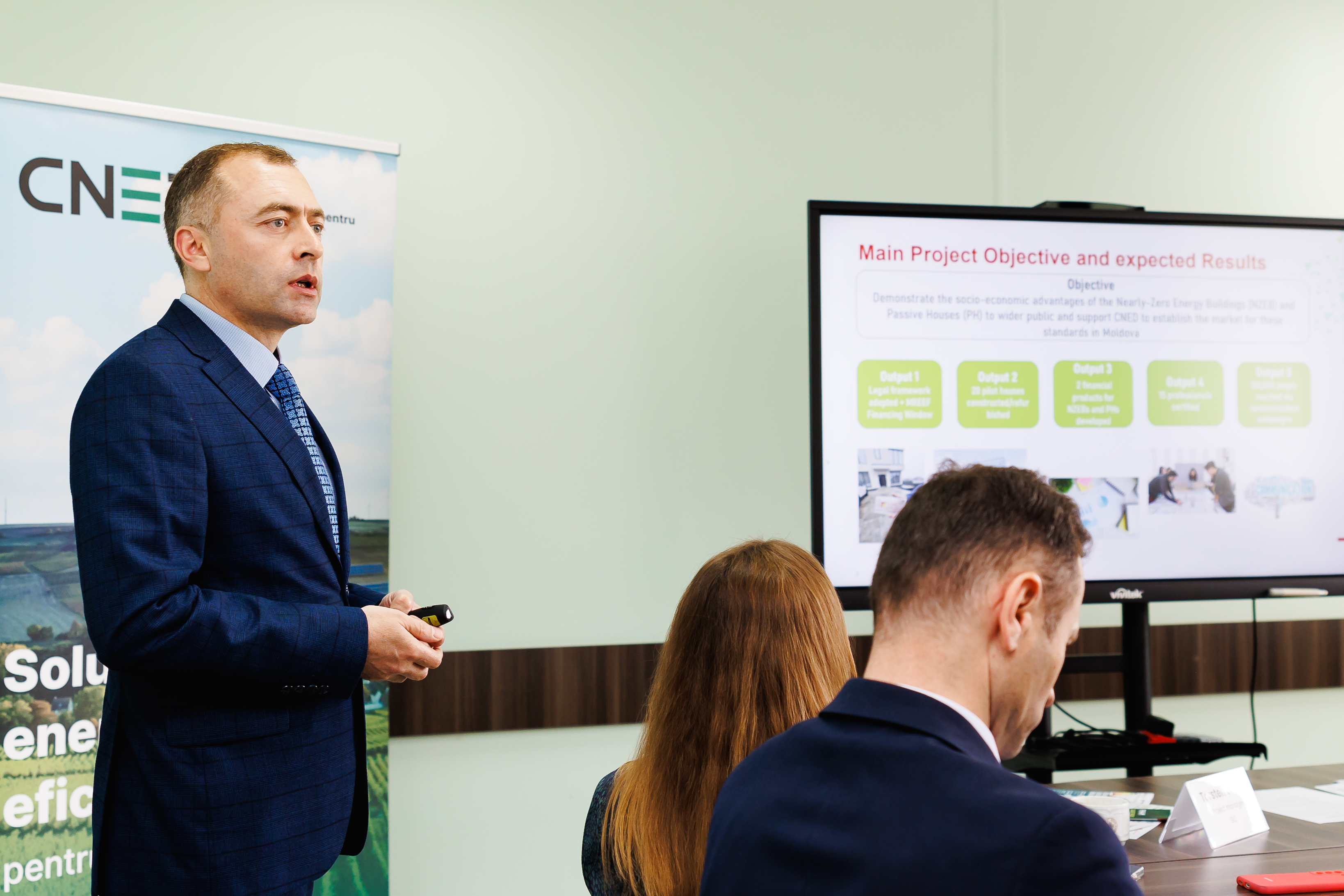
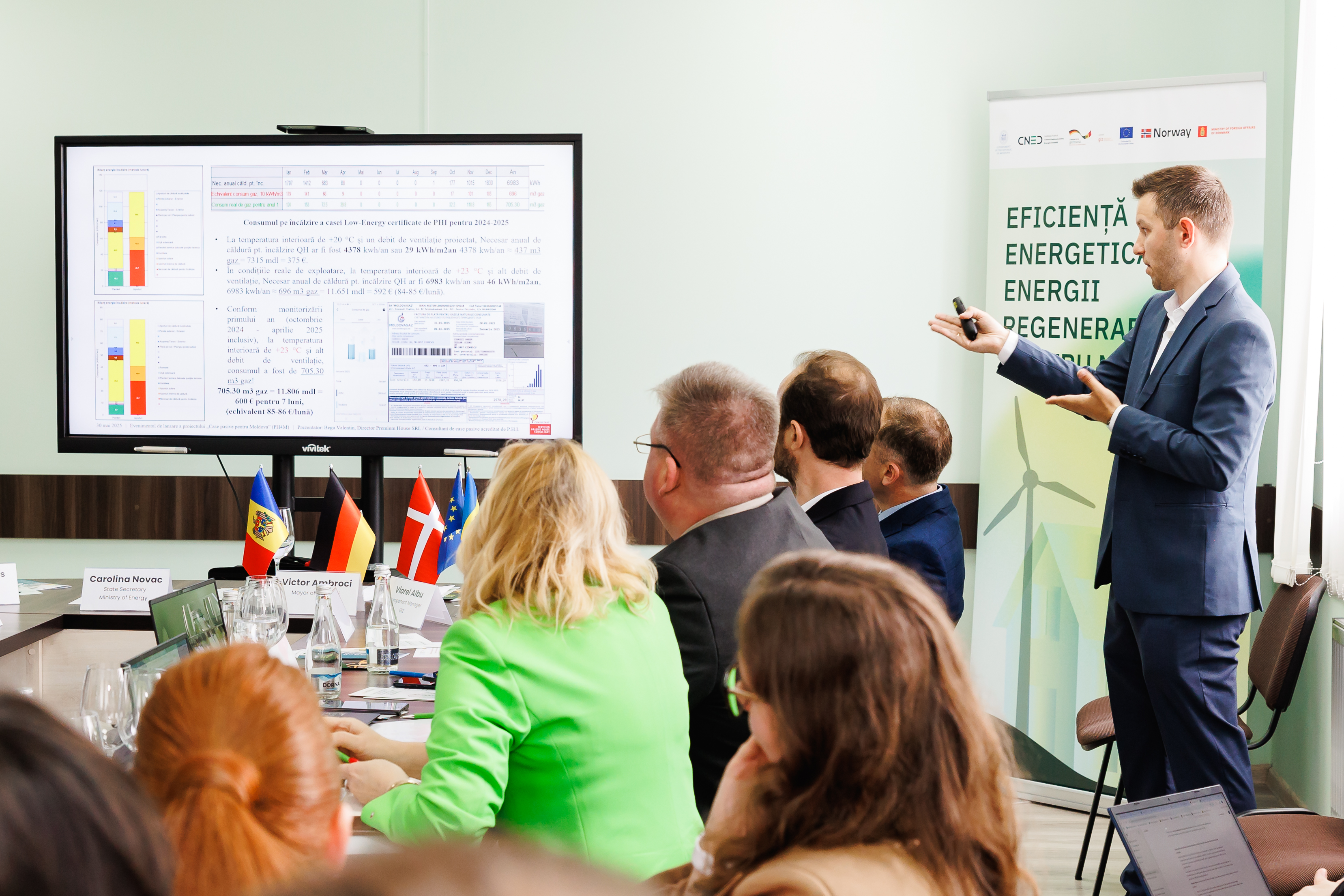
The new component, valued at 2.7 million EUR, will focus on promoting Passive House and Nearly Zero Energy Building (nZEB) standards, considered international benchmarks for energy efficiency and sustainable living. Over the next three years, it will support the construction or renovation of 20 homes aligned with these standards, introduce updated legislation, and train 17 local specialists in Passive House design and construction.
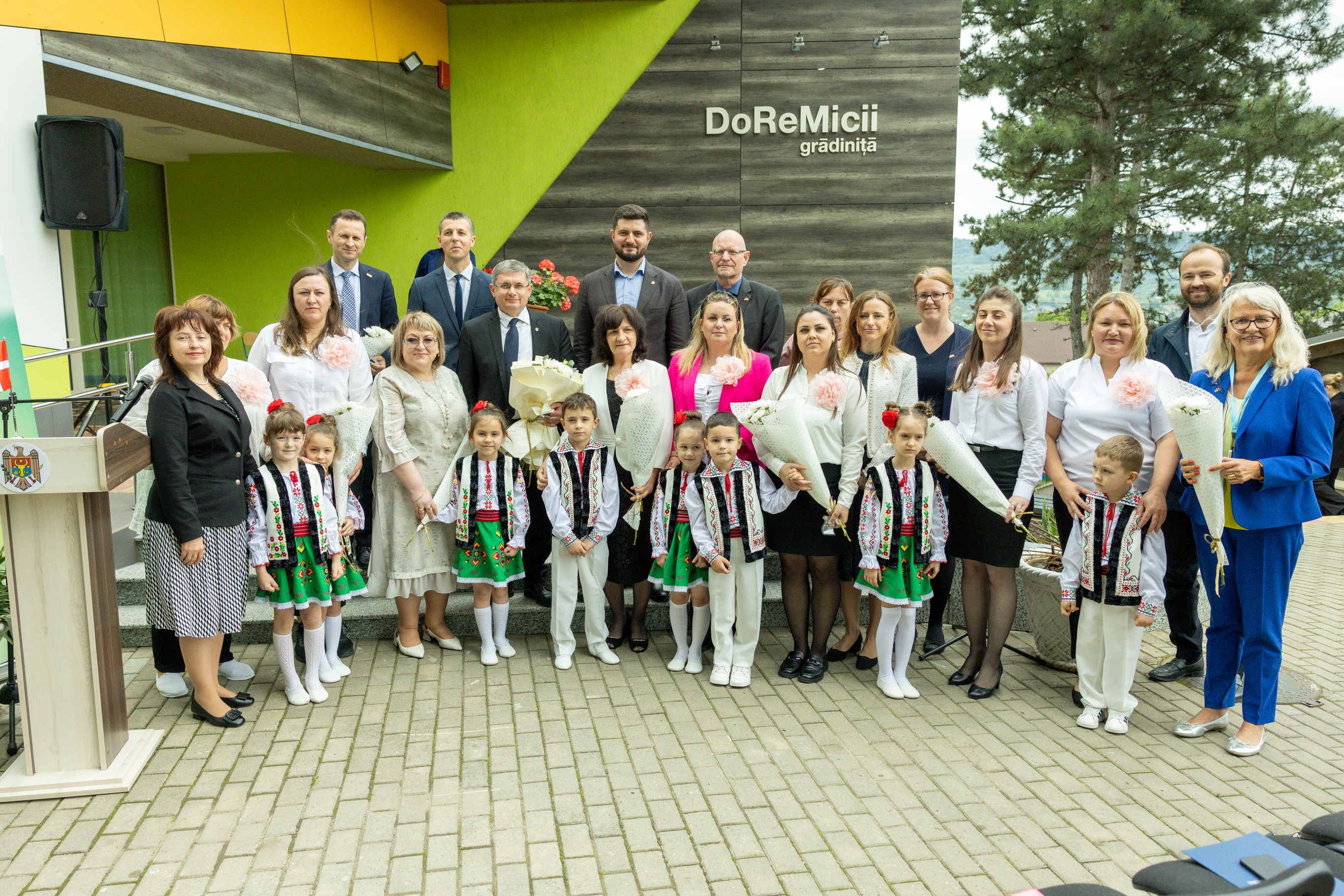
Present at the event, Igor Grosu, President of the Parliament of the Republic of Moldova, stated:“‘DoReMicii’ Kindergarten in Călărași is a benchmark for how we must build from now on, so we no longer waste money heating the atmosphere. It is a good thing that we started with a kindergarten, and we must continue with schools, hospitals, cultural centers, and residential buildings. This is the future, and this is what we are doing. We thank our partners—Germany, Norway, and Denmark—for helping us and sharing their experience. Congratulations, Călărași.”
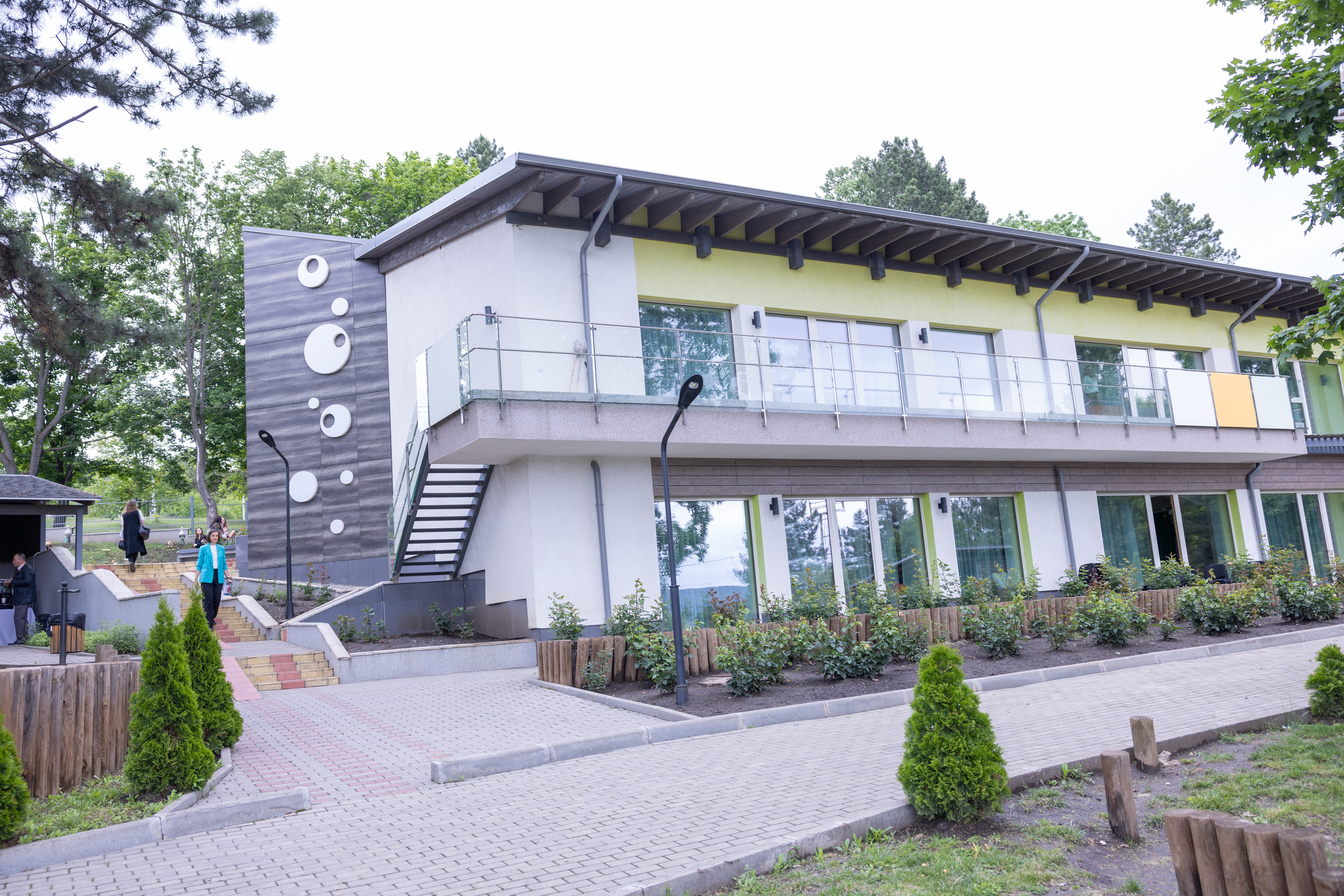
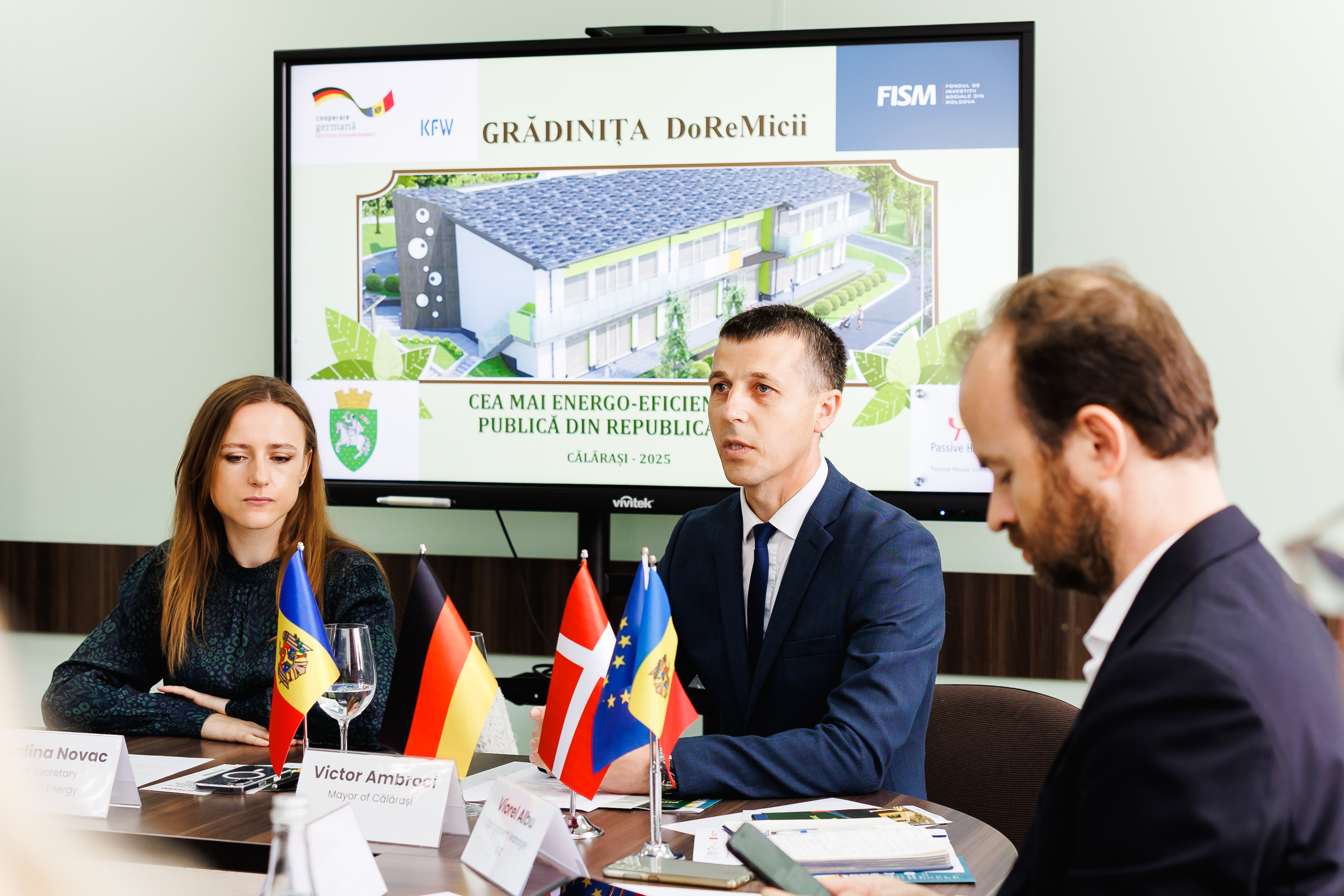
The event took place at DoReMicii Kindergarten, Moldova’s first and only social infrastructure building constructed to Passive House standards, serving as a symbol of what is possible when high efficiency, thoughtful design, and international cooperation come together. Funded by the Federal Republic of Germany through the KfW Development Bank, the kindergarten has stood since 2017 as a living example of cutting-edge energy performance.
“In Moldova, energy efficiency is still too often seen as something optional, something for later. With this support from Denmark, we’re shifting that mindset. We’re proving that high-performance buildings can be built here, with our people, our materials, and our conditions.”, mentioned Dorin Junghietu, Minister of Energy of the Republic of Moldova.
“International collaboration provides the essential support required to translate these concepts into reality. Our objective is for these passive houses to serve as a benchmark of best practices, delivering substantially reduced utility costs, enhanced thermal comfort, and a sustainable way of life for our citizens “mentioned Ion Muntean, Director of CNED.
“Denmark has shown great results in the sustainable building sector. We are using this experience to work with Moldova to apply standards that make sense here, and to make sure local architects, builders, and homeowners have the tools to use them.”, declared Søren Jensen, Ambassador of Denmark to Moldova.
“Energy sustainability is one of the key priorities for Denmark’s assistance in Moldovan energy sector. Working with relevant authorities and industries, we will provide access to Moldovans across the country to build energy-efficient and affordable homes,” he added.
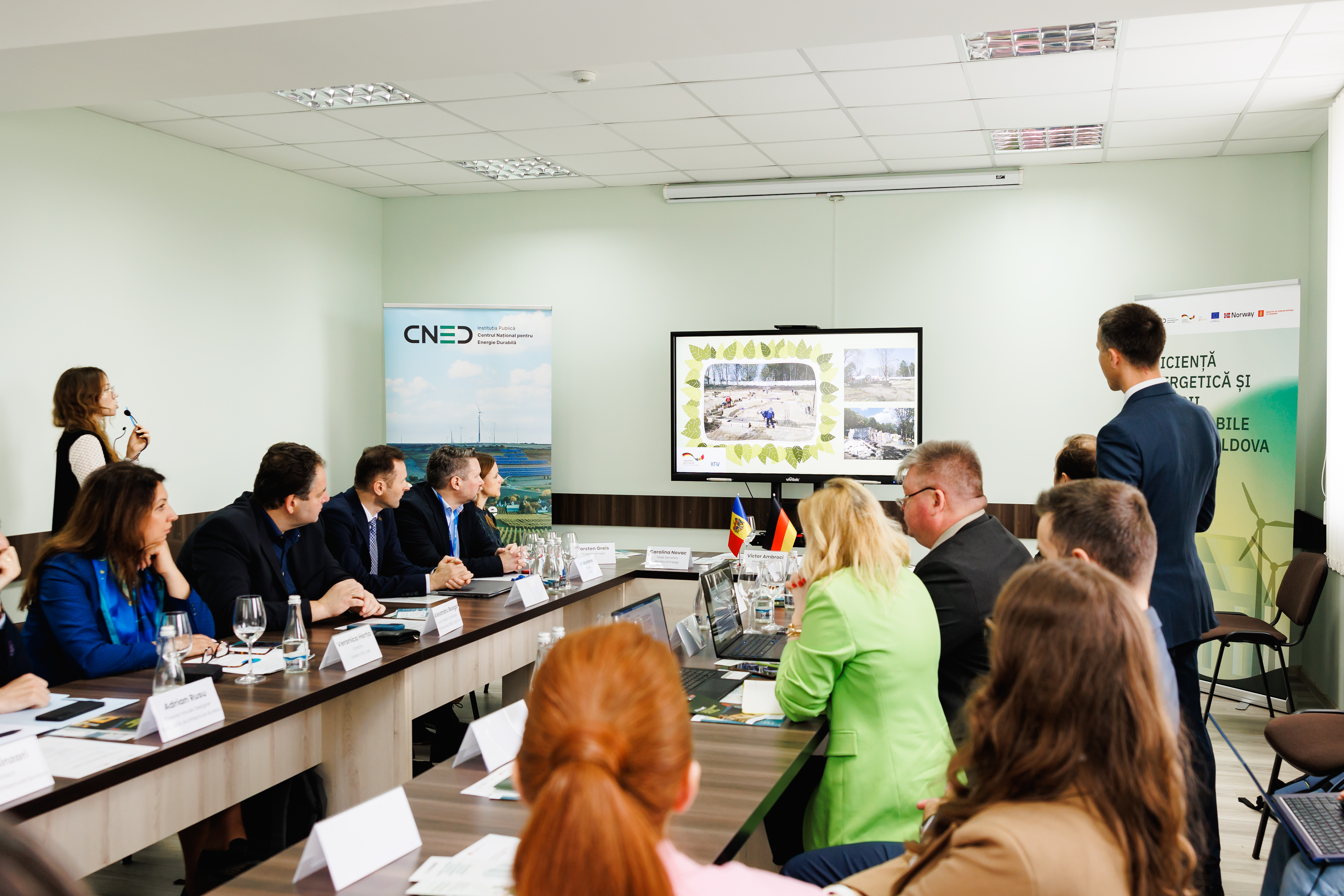
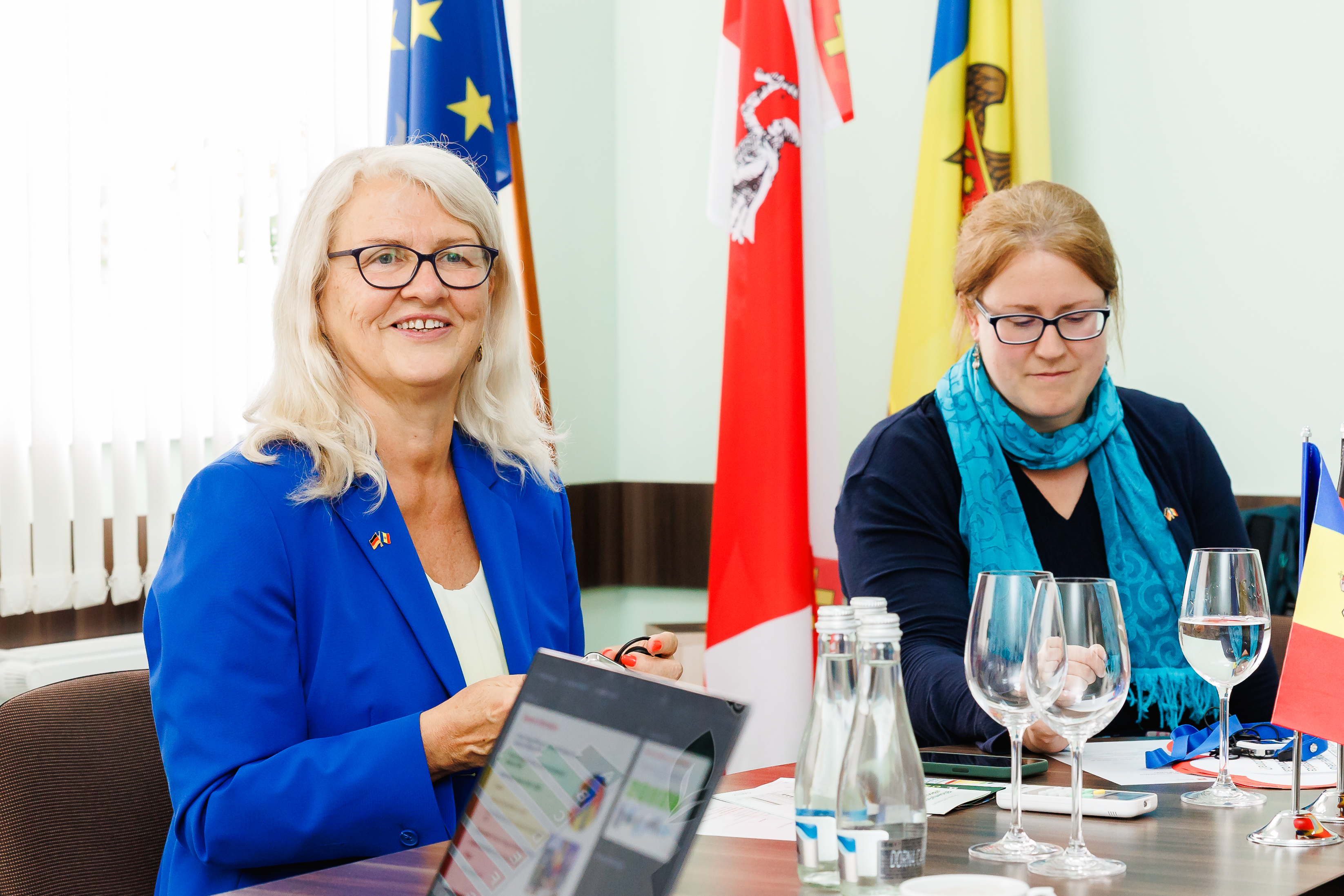
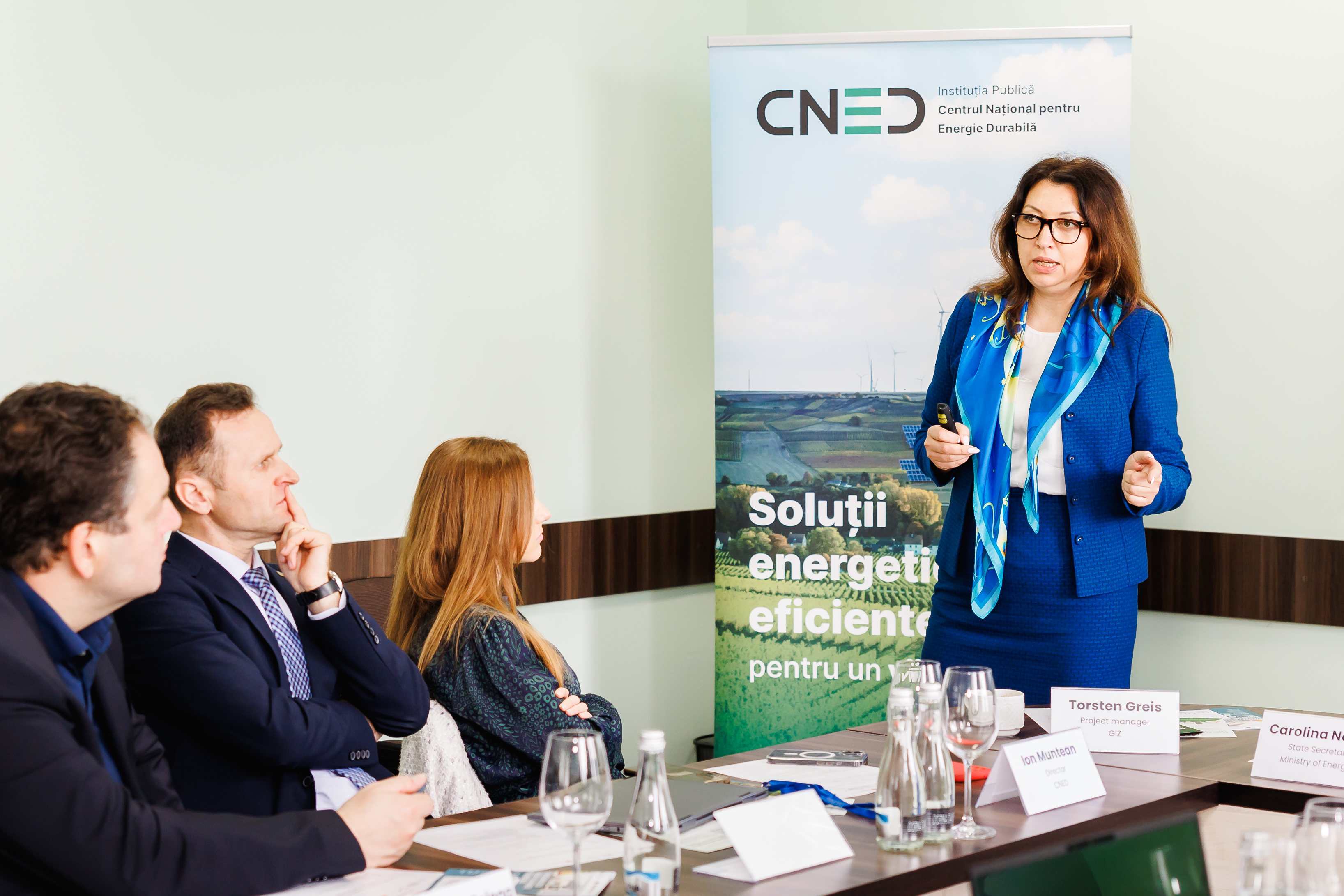
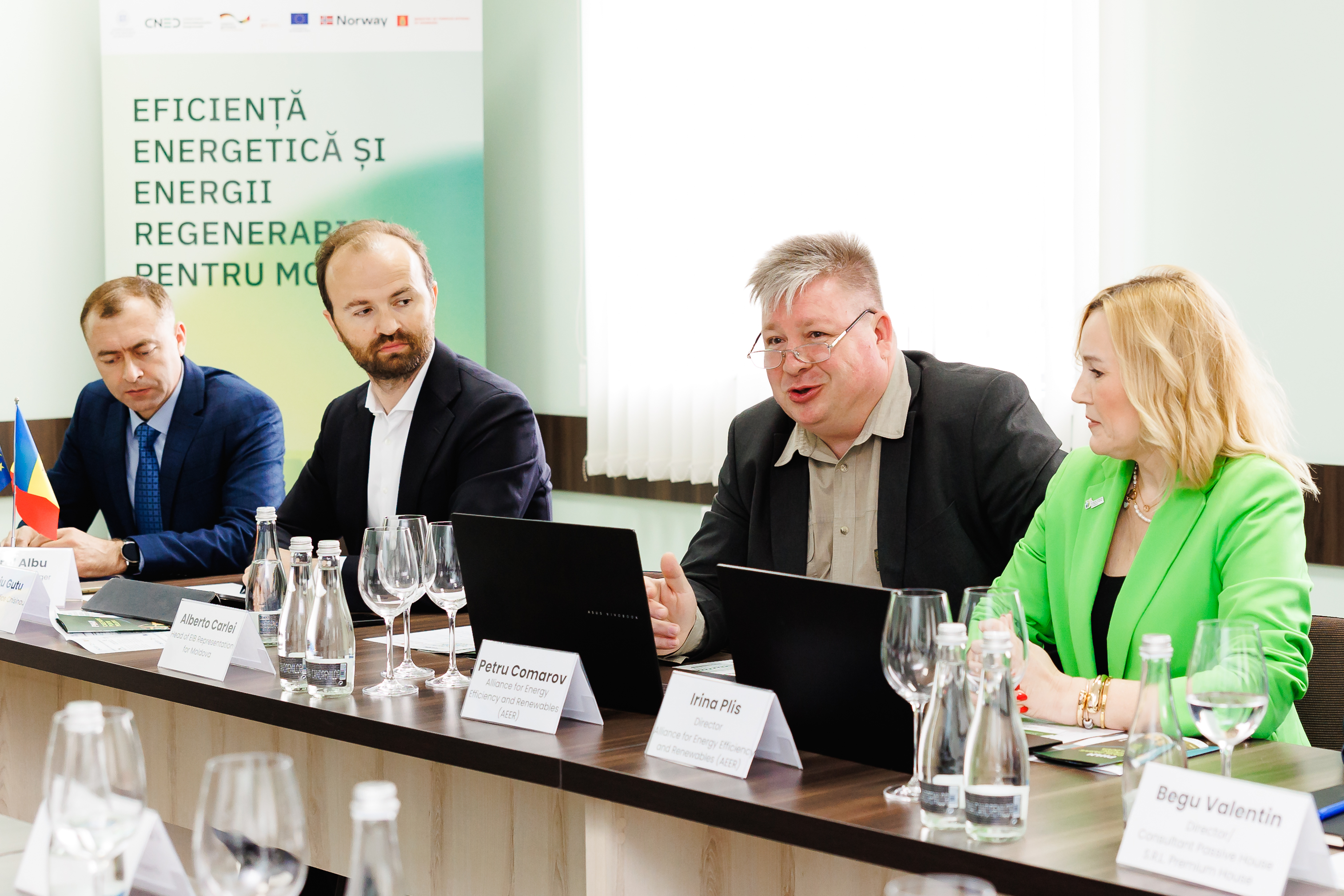
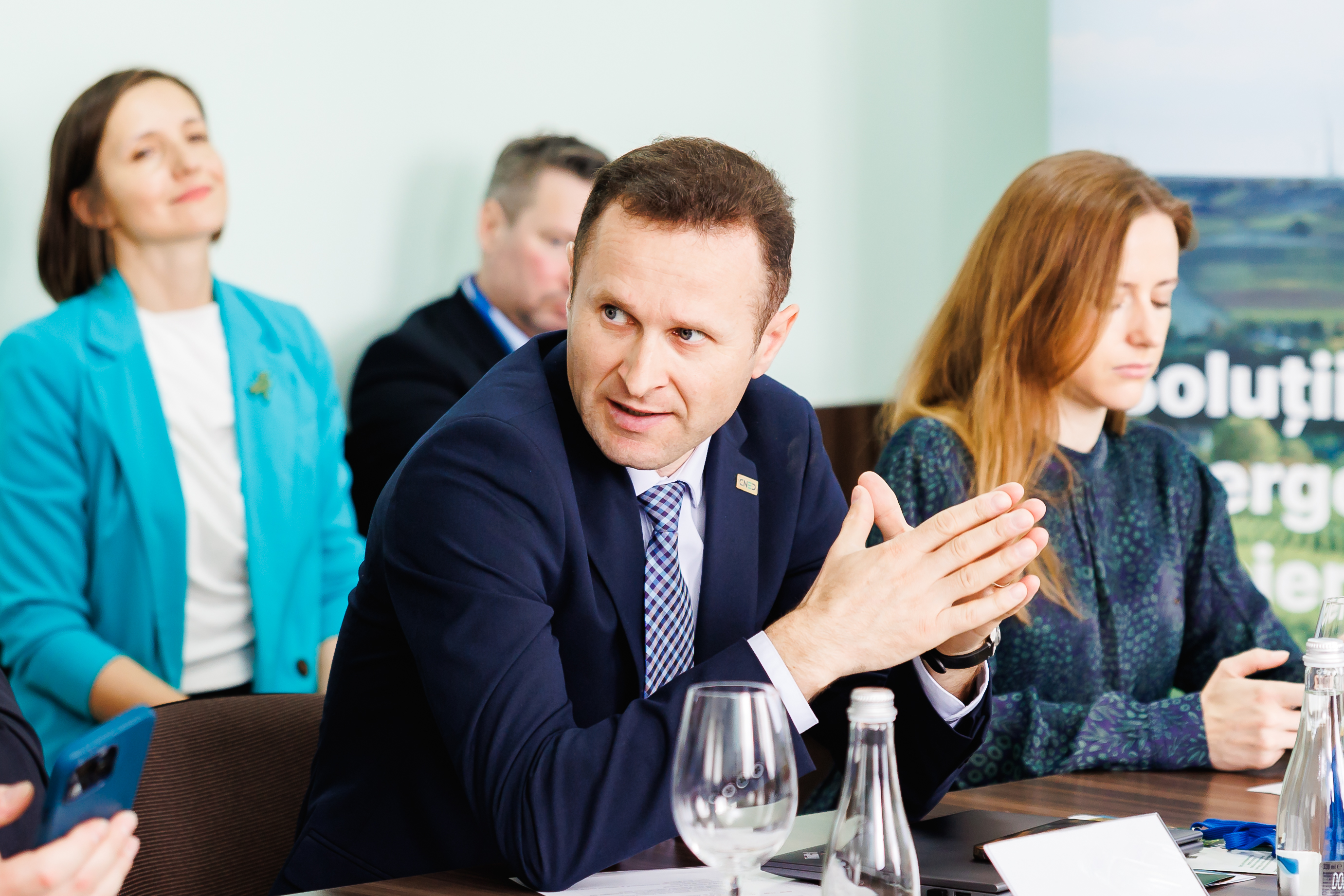
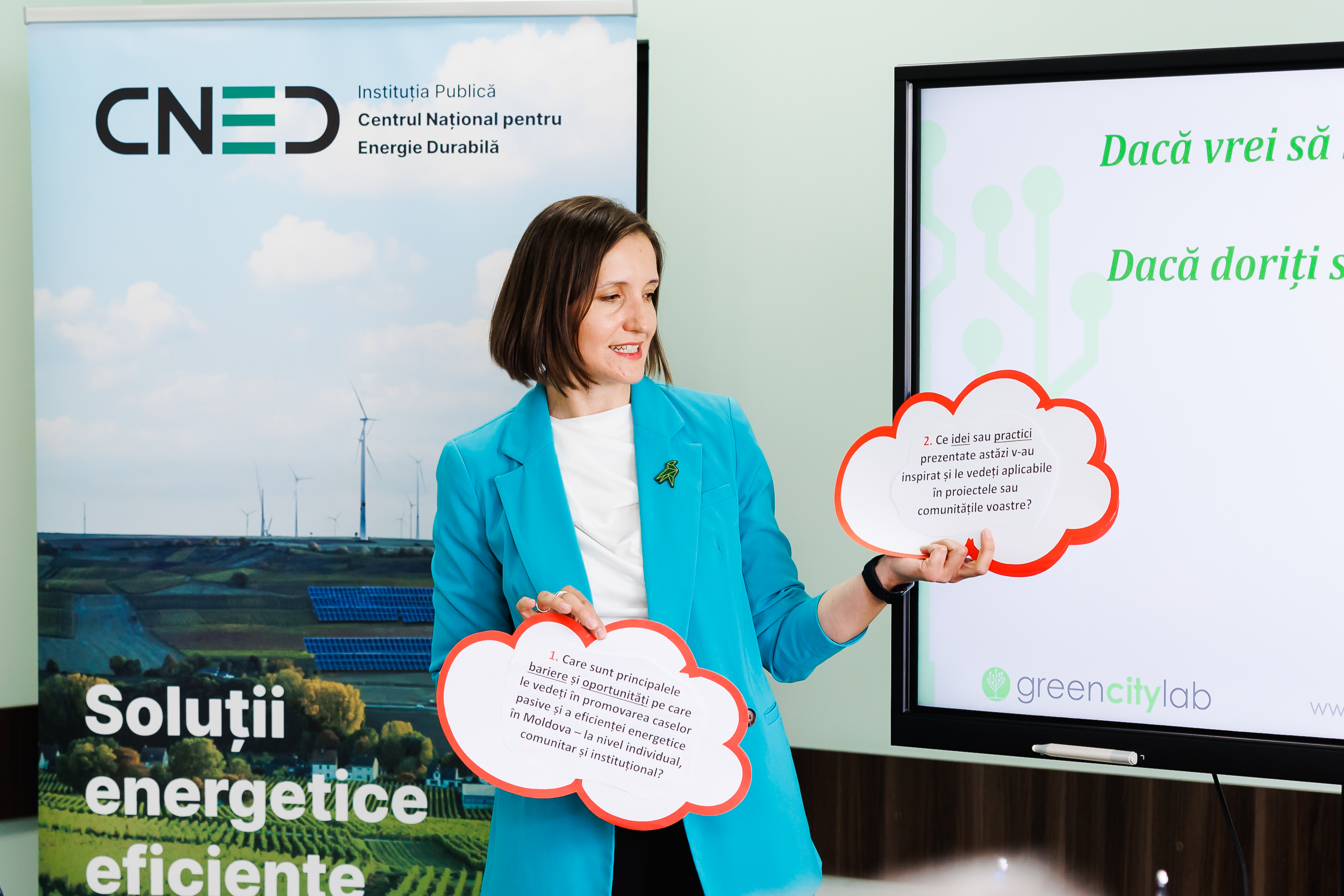
The event featured a roundtable discussion among key actors shaping Moldova’s energy future: civil society organizations, architecture and design firms, the Technical University, and local authorities, highlighting the need for collaboration and knowledge sharing in scaling up energy-efficient construction.
“Germany was the main driver in introducing the passive house concept in Europe and making it available to its citizens already over 30 years ago. Thus, we are very glad to work with our Danish partners on making this technology available to housebuilders and institutions in Moldova. As well as our support for the energy-efficient rehabilitation of public and private buildings in Moldova, passive houses can deliver real change to people’s daily life by lowering bills, increasing comfort, and providing healthier living conditions. I am proud to see us standing now on the grounds of the kindergarten built in 2017 with German funds, having the possibility of continuing to work on passive house standards for a wider group of beneficiaries in this country.”, stated Verena Zell, Head of German Cooperation in Moldova.
The “Energy Efficiency and Renewable Energies for Moldova” project will be closely collaborating with the National Center for Sustainable Energy (NCSE/CNED) to implement actions within the newest component.
This new component complements the broader objectives of the Energy Efficiency and Renewable Energies for Moldova initiative, which works to strengthen Moldova’s energy resilience through targeted investments, regulatory reform, and local capacity building. The addition of Danish co-funding will expand the program’s reach, bringing innovative building practices closer to Moldovan communities.
- 1875 reads
- RO
Images